
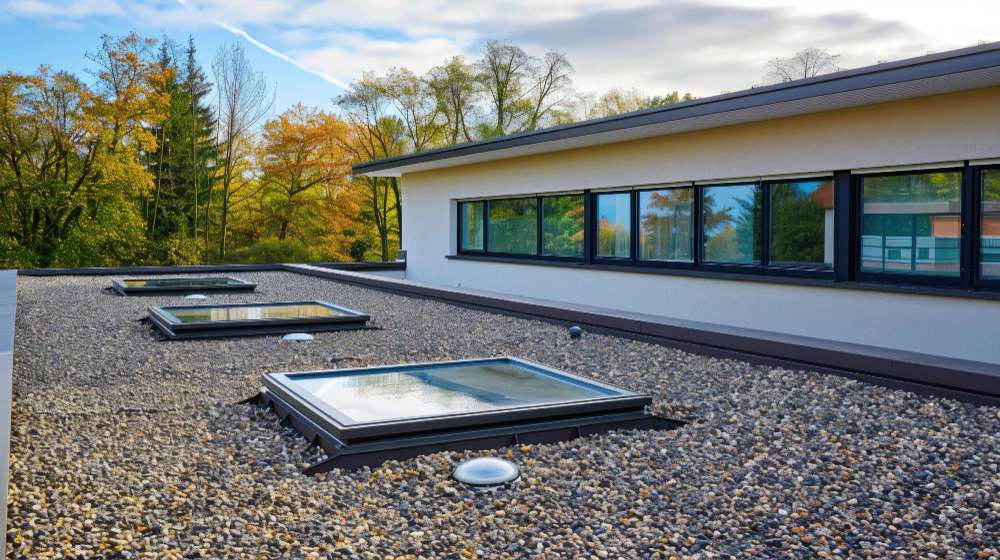
Flat roofing offers several advantages, including lower installation costs, efficient use of space, modern appearance, and easy maintenance. It is a practical roofing solution for extensions, garages, commercial buildings and modern homes. Flat roofs can also provide energy efficiency, additional usable space and long-lasting protection when installed with suitable materials and maintained correctly.
A flat roof is a roofing system with a very low slope, designed to allow water to drain away while maintaining a mostly level appearance.
Although it is called a “flat” roof, it is not completely horizontal. A slight gradient is usually included within the design to prevent standing water and help rainfall move towards drainage points.
Flat roofs are commonly found on:
Modern flat roofing systems are available in a range of materials, allowing homeowners to choose an option that suits their property, budget and performance requirements.
Flat roofs provide several advantages that make them a practical choice for many buildings. From reducing installation costs to creating additional usable space, they offer benefits that traditional roofing systems may not always provide.
One of the biggest advantages of flat roofing is its cost-effectiveness.
Flat roofs generally require fewer materials and less labour compared with traditional pitched roofs. Their simpler structure means installation can often be completed more quickly, reducing overall project costs.
The affordability of flat roofing makes it a popular option for:
However, choosing the cheapest option is not always the best approach. Quality materials and professional installation are essential for ensuring the roof performs well over many years.
A properly installed flat roof can provide excellent value by reducing future repair requirements and improving the overall lifespan of the roofing system.
Another major benefit of flat roofing is the efficient use of space.
Unlike pitched roofs, flat roofs do not require large slopes or additional roof structures. This makes them ideal where space is limited or where homeowners want to maximise the usable area of their property.
Flat roofs can sometimes be used to create:
For modern homes and urban properties where every metre matters, flat roofing can provide additional possibilities without increasing the building footprint.
Flat roofs are often chosen because of their clean and contemporary appearance.
The simple lines of a flat roof can complement modern architecture and create a minimalist look. They are particularly popular with homeowners who want a sleek design rather than the traditional appearance of a pitched roof.
Flat roofing works well with:
A well-designed flat roof can improve the overall appearance of a building while maintaining practical functionality.
Because flat roofs have a simpler design, installation is often quicker compared with more complex roofing structures.
A shorter installation period can reduce disruption for homeowners and allow building projects to progress more efficiently.
The installation time depends on factors such as:
Professional roofers can assess the project requirements and recommend the most suitable installation approach.
Finney’s Home Improvements focus on providing quality roofing solutions designed to suit different property requirements and ensure reliable long-term performance.
Maintenance is an important consideration when choosing any roofing system.
Flat roofs are generally easier to access than steep pitched roofs, making inspections and maintenance tasks more straightforward.
Regular maintenance may include:
Early identification of problems can prevent small issues from becoming expensive repairs.
Although flat roofs are easier to access, they should still be inspected carefully because problems such as blocked drainage or damaged membranes can affect performance.
Modern flat roofing systems can be designed with high-quality insulation materials that help improve energy efficiency.
A properly insulated flat roof can help:
Energy efficiency is becoming increasingly important for homeowners due to rising energy costs and greater awareness of environmental impact.
When combined with suitable insulation and ventilation, flat roofing can contribute to a more comfortable and efficient property.
Modern flat roofs are available in various materials, each offering different benefits.
Common flat roofing materials include:
EPDM is a durable synthetic rubber material known for its flexibility and resistance to weather conditions.
Benefits include:
GRP fibreglass roofing provides a strong and seamless finish.
Advantages include:
Traditional felt roofing remains a popular choice due to its affordability and ease of installation.
Modern felt systems are much more durable than older versions and can provide reliable protection when installed correctly.
Flat roofing is one of the most common choices for home extensions.
Many homeowners choose flat roofs for:
The simple design allows the new structure to blend with the existing property while keeping construction costs manageable.
Flat roofs also allow homeowners to include features such as roof lights, helping bring more natural light into the space below.
Another growing benefit of flat roofing is compatibility with green roof systems.
A green roof involves adding vegetation and plants to the roof surface. This can provide several advantages, including:
Not every flat roof is suitable for a green roof, so structural assessment is important before installation.
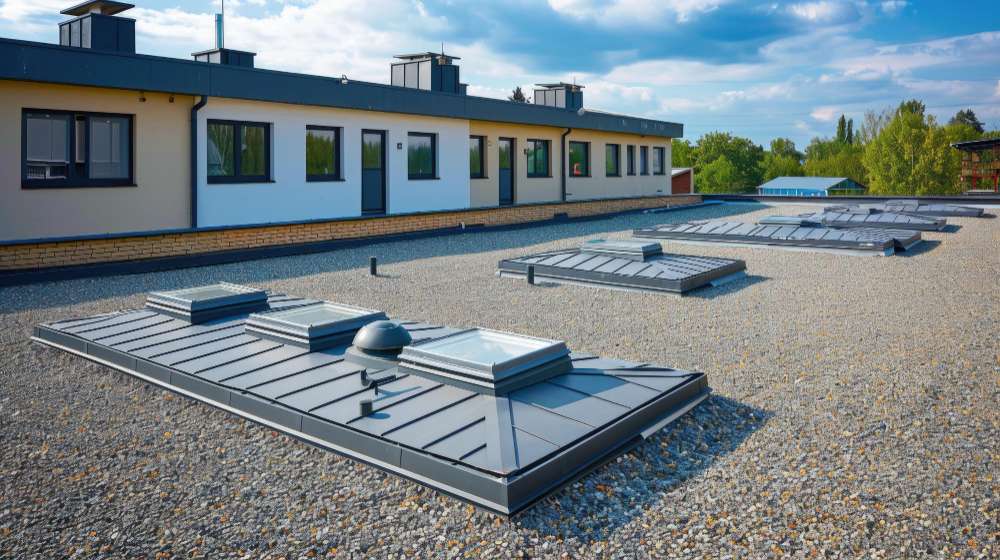
Modern flat roofing systems can be extremely durable when installed correctly.
The lifespan depends on:
High-quality materials such as EPDM and GRP can provide many years of reliable performance.
Regular inspections and prompt repairs can significantly extend the life of a flat roof.
Many people assume flat roofs are unsuitable for the UK climate because of rainfall. However, modern flat roofing systems are specifically designed to handle British weather conditions.
A properly installed flat roof includes:
The key factor is not the roof design itself but the quality of the construction and maintenance.
To keep a flat roof performing well, homeowners should follow some basic maintenance steps.
Blocked drains can cause water to collect on the roof surface.
Regularly removing leaves and debris helps prevent standing water.
Look for:
Early repairs are usually simpler and less expensive.
A roofing professional can identify problems that may not be visible from ground level.
Regular inspections are especially useful after storms or periods of heavy rainfall.
So, what are the benefits of flat roofing? Flat roofs provide a practical, affordable and versatile solution for many residential and commercial properties.
Their advantages include lower installation costs, efficient use of space, modern design, easy maintenance and strong durability when installed correctly.
With the right materials, professional installation and regular maintenance, a flat roof can provide reliable protection for many years while adding value and functionality to your property.
Yes, flat roofs are generally more affordable because they require fewer materials and a simpler construction process. However, costs depend on the size, materials and installation requirements.
The lifespan of a flat roof depends on the material used and how well it is maintained. Many modern flat roofing systems can last for several decades with proper care.
A correctly installed flat roof should not leak. Problems usually occur due to poor installation, damaged materials or blocked drainage rather than the flat design itself.
Some flat roofs can be designed for occasional foot traffic, but others are not suitable for walking. Always check with a roofing professional before accessing a flat roof.
Yes, flat roofs are a popular choice for extensions because they are cost-effective, space-efficient and provide a modern appearance.
The best material depends on the property and budget. EPDM, GRP fibreglass and modern felt systems are all popular options with different advantages.
A flat roof should be checked regularly, especially after severe weather. Routine inspections help identify small problems before they develop into major repairs.