
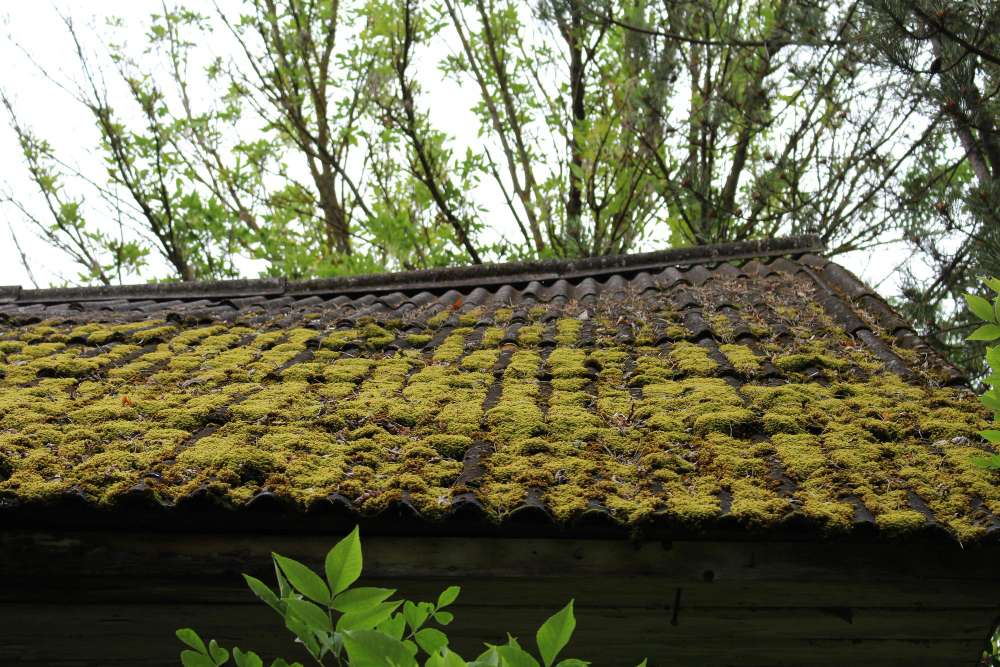
Moss can damage roof tiles over time by holding moisture against the roof surface, which may lead to tile deterioration, water leaks and blocked drainage. While small amounts of moss may not immediately harm a roof, heavy moss growth can cause structural problems and expensive repairs if left untreated. Regular roof inspections and safe moss removal can help protect your tiles and extend their lifespan.
Moss growing on roof tiles is a common sight across many homes in the UK, especially in areas with high rainfall, shaded gardens and properties surrounded by trees. At first glance, a small patch of green growth may appear harmless and even give a roof a natural appearance. However, when moss spreads across your roof, it can create conditions that may affect the performance and lifespan of your tiles.
Many homeowners wonder, does moss damage roof tiles, or is it simply a cosmetic issue? The answer depends on the amount of moss present, the condition of the roof and how long the growth has been left untreated.
Although moss does not instantly destroy roof tiles, heavy growth can trap moisture, interfere with drainage and contribute to gradual roof deterioration. Understanding how moss affects your roof can help you take action before minor maintenance becomes a costly repair.
This guide explains why moss grows on roof tiles, the damage it can cause, how to remove it safely and how to prevent it from returning.
Moss thrives in damp, shaded and cool environments. The UK climate provides ideal conditions for moss growth, particularly during wetter months when roofs remain moist for longer periods.
Several factors encourage moss growth, including:
Roofs that receive little direct sunlight are more likely to develop moss. Areas shaded by trees, nearby buildings or north-facing roof slopes often remain damp, creating the perfect environment for moss.
Moss needs moisture to survive. Roof areas that stay wet after rainfall provide the ideal conditions for moss spores to grow and spread.
Leaves, twigs and other debris can collect on roof surfaces and in gutters. As these materials break down, they provide nutrients that encourage moss and other plant growth.
Older roof tiles may become more porous over time. Small surface imperfections can hold moisture, making it easier for moss to attach and grow.
A small amount of moss does not necessarily mean your roof is damaged. In many cases, minor moss growth is mainly a visual concern and can be managed through regular maintenance.
However, when moss becomes thick and widespread, problems can begin to develop.
Heavy moss growth can:
The longer moss remains untreated, the greater the chance that it will affect the roof’s condition.
Moss affects roof tiles in several ways. While roof tiles are designed to withstand harsh weather conditions, constant exposure to moisture and organic growth can weaken them over time.
One of the biggest concerns with moss is its ability to retain water.
Moss acts like a sponge, absorbing rainfall and keeping the roof surface damp for longer periods. This constant moisture exposure can gradually affect tiles, especially older or damaged ones.
Over time, trapped moisture may contribute to:
As moss grows, it can spread underneath tile edges and between gaps.
During wet conditions, moss expands and creates pressure against tiles. This can loosen tiles or slightly lift them from their original position.
Loose tiles are more vulnerable to:
A healthy roof relies on water flowing freely from tiles into gutters and drainage systems.
Large amounts of moss can interrupt this process by collecting around:
Blocked drainage can cause water to overflow or collect in areas where it should not, increasing the risk of leaks.
Another issue with moss growth is that it can cover problems that would normally be easy to spot.
Moss may hide:
This means small issues can continue unnoticed until more serious damage occurs.
Moss itself does not always directly cause roof leaks, but it can increase the risk of water entering your home.
When moss becomes thick, it can:
If your roof already has weak points, moss can make these problems worse.
Signs that moss may be contributing to roof leaks include:
If you notice these signs, it is important to inspect the roof and address the underlying issue.
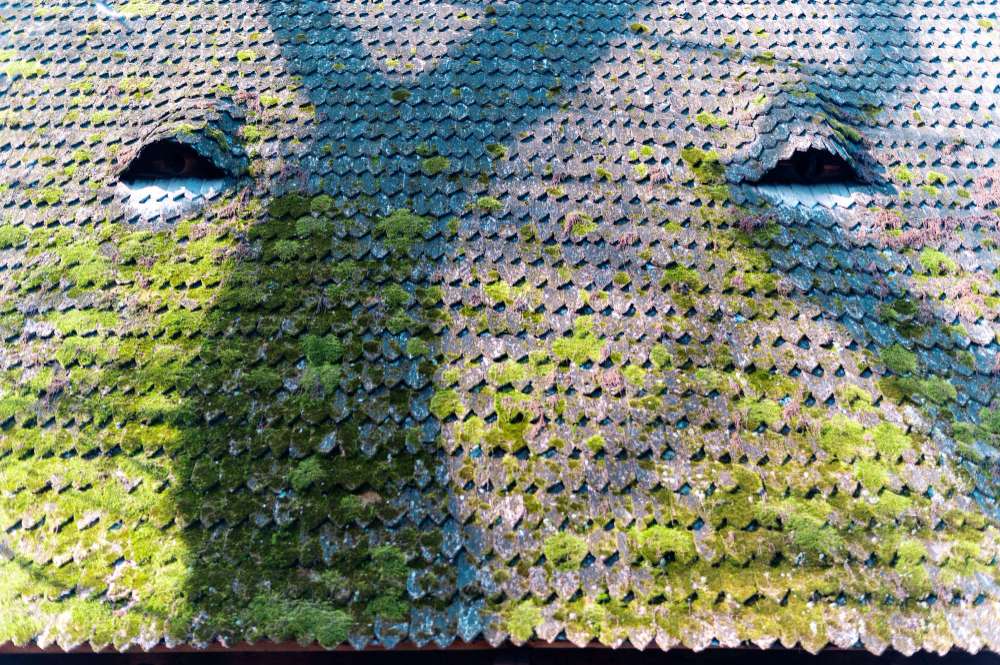
Removing moss from a roof requires care. Roof tiles can become fragile, and incorrect cleaning methods may cause more harm than good.
A safe moss removal process usually involves:
Before removing moss, the roof should be checked for:
This helps ensure that cleaning does not worsen existing problems.
Moss should be removed carefully rather than aggressively scraped away.
Using harsh methods, such as high-pressure washing, can damage some roof tiles by removing protective surfaces or forcing water underneath them.
When moss is removed, pieces may fall into gutters and drainage systems.
Cleaning gutters afterwards helps prevent blockages and allows rainwater to flow properly.
Some roof treatments help slow future moss growth by creating less favourable conditions for moss development.
Professional roofing companies can recommend suitable solutions depending on your roof type.
For homeowners looking for professional roof maintenance and repair solutions, Finney’s Home Improvements provides expert assistance to help protect roofing systems from long-term damage.
Pressure washing may seem like a quick way to remove moss, but it is not always recommended.
High-pressure water can:
Traditional cleaning methods using appropriate tools are often safer and more suitable for many roofing materials.
Before choosing any cleaning method, it is important to consider the type and condition of your roof tiles.
Preventing moss is usually easier than dealing with heavy growth after it has developed.
Here are some effective prevention methods:
Blocked gutters create damp conditions around the roof edge, which can encourage moss growth.
Regular gutter cleaning helps improve drainage and reduces moisture build-up.
Trees provide shade and allow leaves to collect on roofs.
Removing excess branches can increase sunlight exposure and reduce the number of organic debris reaching your roof.
Regular inspections allow problems to be identified early.
A professional roofer can check for:
Early maintenance is often much cheaper than repairing extensive roof damage.
Leaves, branches and dirt should not be allowed to accumulate on roof surfaces.
Keeping the roof clear reduces the nutrients available for moss growth.
In most cases, removing significant moss growth is recommended.
Leaving moss untreated can allow it to spread and create conditions that affect your roof over time.
However, removal should always be carried out carefully. Aggressive cleaning methods can damage tiles, meaning a poorly handled moss removal job could create problems instead of solving them.
If you are unsure about the condition of your roof, a professional inspection can help determine whether cleaning, repairs or replacement work is needed.
The frequency of roof inspections depends on factors such as:
Many homeowners benefit from checking their roofs at least once or twice a year, particularly after periods of heavy rain or storms.
Regular checks allow moss growth to be managed before it becomes a serious issue.
So, does moss damage roof tiles? The answer is yes, especially when it is allowed to grow heavily and remain untreated for long periods.
A small amount of moss may only affect your roof’s appearance, but large patches can create moisture problems, interfere with drainage and contribute to tile damage.
Regular inspections, careful moss removal and good roof maintenance can help keep your tiles in excellent condition for many years. By dealing with moss early, homeowners can avoid unnecessary repairs and protect their property from preventable roofing issues.
Moss does not usually destroy roof tiles immediately, but heavy growth left untreated can contribute to moisture damage, cracked tiles and roof deterioration over time.
Yes, large amounts of moss should generally be removed because it can trap moisture, block drainage and increase the risk of roof problems.
Moss can contribute to leaks by holding moisture against tiles, blocking drainage and hiding damaged areas where water may enter.
Small areas may be manageable, but roof work can be dangerous. Professional removal is often safer because incorrect methods can damage tiles or roof coverings.
Yes, older tiles often have more weathering and surface imperfections, making it easier for moss spores to attach and grow.
You can reduce moss growth by cleaning gutters, trimming nearby trees, removing debris and arranging regular roof maintenance.
Not necessarily. Moss alone does not mean a roof needs replacement. However, widespread moss combined with broken tiles, leaks or structural issues may indicate that repairs are required.