
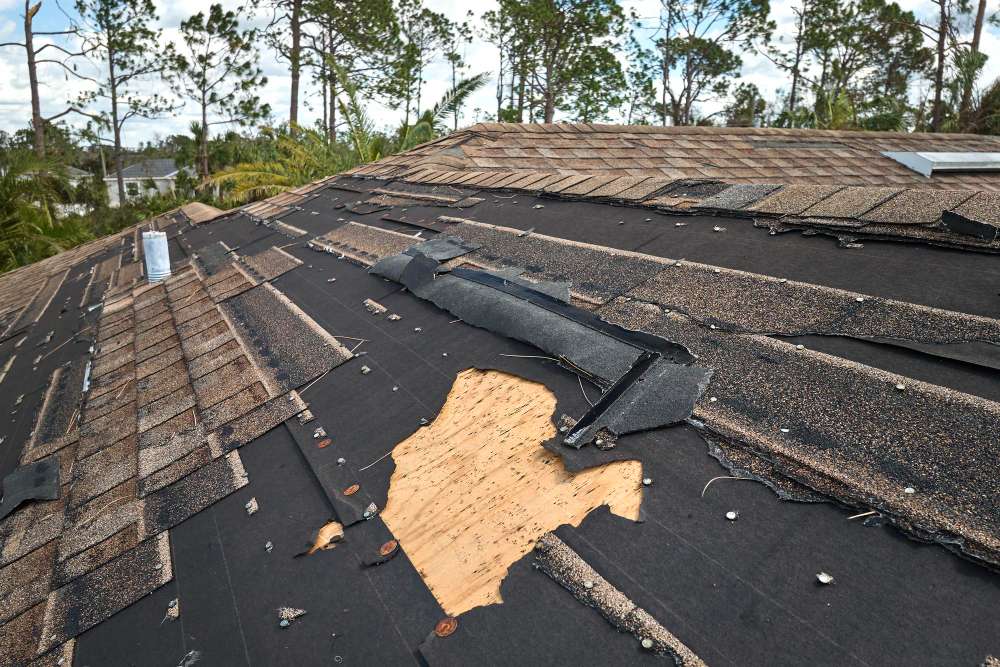
To repair broken roof slates, inspect the damaged area, carefully remove the broken slate, replace it with a matching new slate, and secure it using suitable fixings. Small cracks may need temporary protection, but damaged or missing slates should be replaced to prevent leaks, damp problems and further roof damage. Always prioritise roof safety when working at height and consider professional roofing assistance for a secure and long-lasting repair.
A damaged roof slate might seem like a minor issue, but even one broken or missing slate can allow rainwater to enter your home. Over time, this can lead to damp patches, mould growth, damaged insulation, rotten roof timbers and expensive repairs.
Slate roofs are known for their durability and long lifespan, but they are not completely maintenance-free. Severe weather, falling branches, temperature changes, ageing fixings and accidental impact can all cause roof slates to crack, slip or break.
Understanding how to repair broken roof slates can help homeowners recognise problems early and take the right action before a small repair turns into a major roofing issue.
This guide explains how broken roof slates are repaired, what causes slate damage, when replacement is necessary and how to maintain your roof to avoid future problems.
Roof slates are naturally strong and designed to withstand harsh British weather conditions. However, after many years of exposure to rain, wind and temperature changes, damage can eventually occur.
Some common causes of broken roof slates include:
Strong winds and storms are one of the biggest causes of roof slate damage. High winds can loosen slates, causing them to move or fall completely from the roof.
Heavy rain can also expose existing weaknesses, especially where slates have small cracks that are not immediately visible.
Natural slate roofs can last for many decades, but the fixings, nails and supporting materials may deteriorate before the slate itself.
Older roofs often experience problems because rusty nails or weakened battens can no longer hold slates securely in place.
Falling tree branches, debris or accidental damage during maintenance work can crack individual roof slates.
Even a small impact can create a fracture that allows water to seep underneath the slate.
Incorrectly installed slates may not have enough overlap, suitable fixings or proper alignment. This can make them more vulnerable to movement and breakage.
Slate naturally expands and contracts with changes in temperature. Over many years, repeated movement can create stress fractures, particularly in older roofing materials.
Not all roof slate damage is immediately obvious from ground level. Some warning signs may only appear inside your property.
Look out for these common indicators:
The most obvious sign of damaged roof slates is water entering your home. You may notice:
A single missing slate can allow significant amounts of water into the roof structure.
If you can safely view your roof from ground level, look for:
Never climb onto a roof without proper safety equipment, as slate surfaces can become extremely slippery.
Finding pieces of slate in your gutters or around the outside of your home may indicate that your roof is deteriorating.
Small fragments can break away over time before a complete slate failure occurs.
A damaged roof can affect your home’s insulation performance. If water enters the roof space, insulation can become less effective, making your heating system work harder.
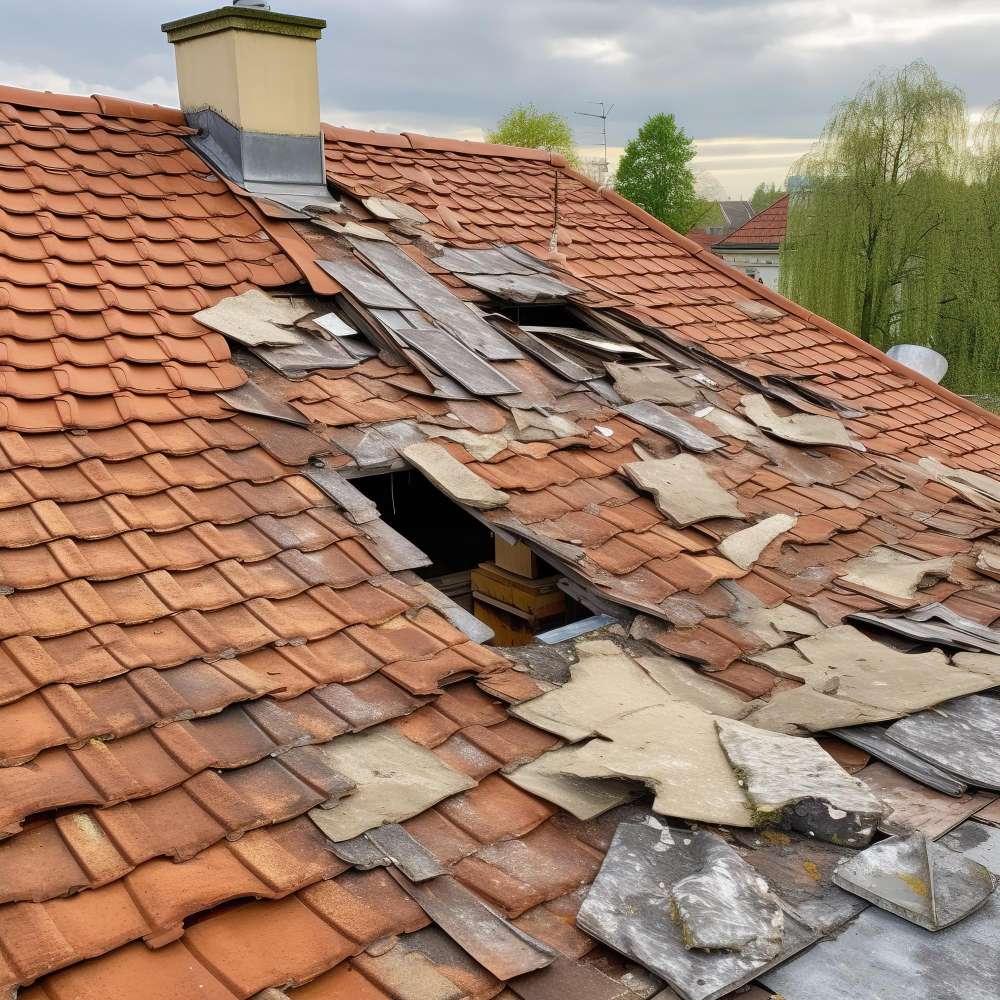
Some minor roof repairs may be possible for experienced DIY homeowners, but replacing roof slates is not always a simple task.
Working at height carries serious risks, and incorrect repairs can create bigger problems later.
A professional roofer understands:
For example, experienced roofing specialists such as Finney’s Home Improvements understand the importance of matching replacement materials and completing repairs correctly to protect the roof structure.
If the damaged slate is easy to access and the repair is minor, a homeowner may be able to carry out temporary measures. However, permanent repairs are usually best handled by someone with roofing experience.
The exact repair method depends on the type of damage, the roof design and how the slates have been fixed.
The general process involves the following steps.
Before replacing anything, the damaged area needs to be carefully assessed.
A roofer will check:
Sometimes a broken slate is only a symptom of a larger roofing issue.
The broken slate needs to be removed carefully to avoid damaging nearby slates.
Traditional roofers often use specialist slate tools to remove damaged pieces without disturbing the surrounding roof covering.
Care must be taken because older slates can become fragile and may crack under pressure.
A replacement slate should match the existing roof as closely as possible.
Important factors include:
Using an unsuitable replacement can affect the appearance and weather protection of the roof.
The replacement slate is positioned into place and secured using suitable methods.
Depending on the roof construction, this may involve:
The new slate must sit correctly with the surrounding slates to maintain proper water drainage.
After installation, the repaired area should be inspected to ensure:
A quality repair should blend with the existing roof and provide long-term protection.
If immediate professional repair is not possible, temporary solutions may help reduce water damage.
For example:
Temporary fixes should not replace proper repairs because water damage can continue underneath the roof covering.
The cost of repairing broken roof slates depends on several factors, including:
Replacing a few individual slates is usually much cheaper than repairing widespread roof deterioration.
However, delaying repairs can increase costs if water damages:
Regular inspections can help identify problems before expensive repairs become necessary.
Although roof slates will eventually require maintenance, several steps can help extend their lifespan.
Checking your roof periodically allows small issues to be repaired before they become serious.
A professional inspection is especially useful after storms or strong winds.
Blocked gutters can cause water to overflow and affect the roof structure.
Regular gutter cleaning helps ensure rainwater drains away correctly.
Overhanging branches can damage roof slates during storms. Keeping trees trimmed reduces the risk of impact damage.
Sometimes the slate itself is fine, but the nails or fixings have failed. Replacing worn fixings can prevent future slate movement.
Slate can crack underweight, especially older roofing materials. Always use appropriate access equipment when carrying out inspections or maintenance.
In many cases, individual damaged slates can be replaced without requiring a complete roof replacement.
A repair is usually suitable when:
A larger roofing project may be needed if:
A professional assessment can help determine the most cost-effective solution.
Broken roof slates should never be ignored, even if the damage appears small. A single cracked or missing slate can allow water into your property and lead to much bigger problems over time.
Understanding how to repair broken roof slates helps homeowners identify warning signs and make informed decisions about roof maintenance. While some minor issues may seem manageable, professional repairs are often the safest way to ensure the roof remains secure, weatherproof and long-lasting.
Regular inspections, quick repairs and proper maintenance can help protect your roof and prevent avoidable repair costs in the future.
Small cracks may sometimes be temporarily sealed, but replacement is usually the best long-term solution. A cracked slate can continue to deteriorate and allow water penetration.
Replacing one or two damaged slates can often be completed relatively quickly, depending on access and weather conditions. Larger repairs may take longer if multiple areas need attention.
Yes. A missing slate can allow rainwater to enter the roof space, potentially causing dampness, mould and damage to insulation or timber structures.
A slate roof should generally be checked regularly, especially after severe weather. Older roofs may benefit from more frequent inspections to identify early signs of damage.
Yes, repairing individual damaged slates is usually far cheaper than replacing an entire roof. However, if damage is widespread, replacement may become more practical.
The replacement slate should ideally match the existing roof. Natural slate, Welsh slate and other compatible materials may be used depending on the original installation.
Yes. Damaged slates can allow water into the roof structure, which may eventually cause damp patches, mould growth and internal damage.